
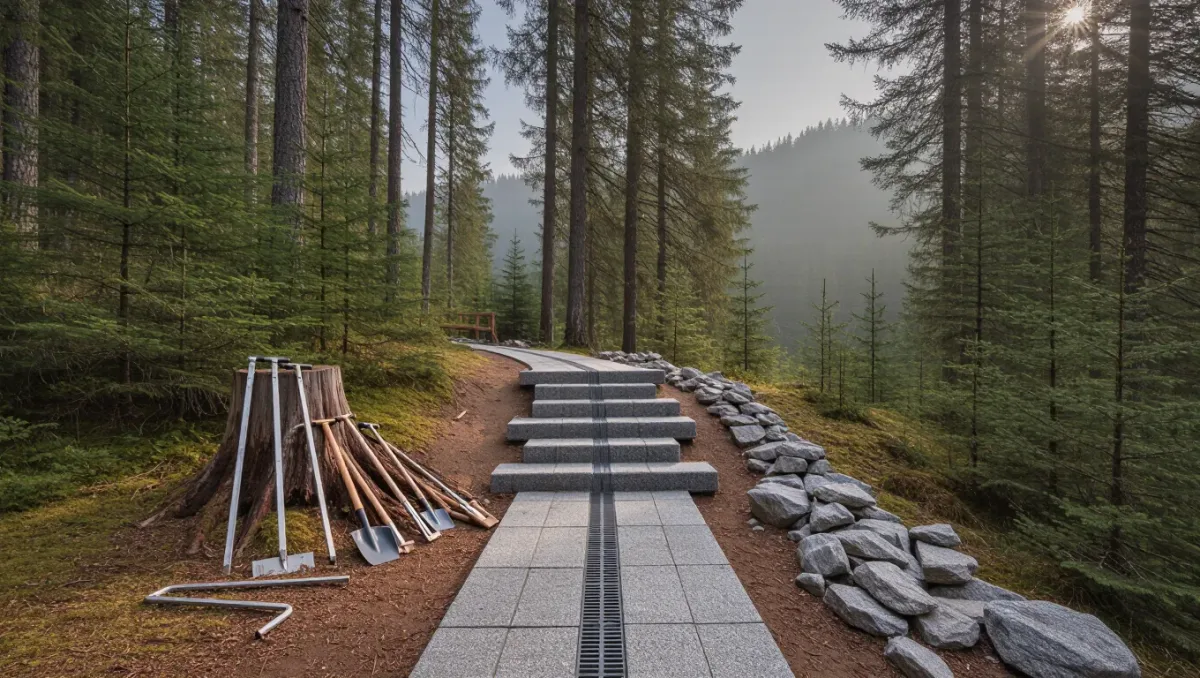
Volunteer trail crews are how a large share of American hiking trails stay open: federal agencies report tens of thousands of volunteers contributing well over a million hours of trail work annually on national forests and parks alone, much of it through organized programs that supply training, tools, meals, and campsites. You bring clothing and boots; the program teaches you to build tread, clear drainage, and swing a tool safely — no experience required for entry-level projects, which is the part most hikers never realize.
This guide explains the program types, what a project week actually looks like, what it costs, and how to sign up. Program details — age minimums, difficulty, dates — are set by each host organization, so verify everything with the specific crew leader before you commit.
Who runs these volunteer trail programs?
Three tiers, and all of them recruit from the general public. Federal agencies — the Forest Service, National Park Service, and Bureau of Land Management — list opportunities through the volunteer.gov portal and through individual park and forest pages. National trail organizations, such as the Appalachian Trail Conference's trail crews and the Pacific Crest Trail Association, run multi-day crew programs on the long trails. Regional and local nonprofits — mountain-bike associations, trail coalitions, state park friends groups — host day events and weekenders close to home. All three tiers train volunteers on site; you are never handed a Pulaski and pointed at a hillside.
What does a project week actually look like?
Structured, physical, and surprisingly social. A typical residential week: arrive Sunday evening, safety and tool training Monday morning, then four to six work days of six to eight hours building or repairing tread — rock staircases, drainage structures, brush clearing, logout — with the crew camping together at a front-country or backpack-in site. Food is usually provided and cooked by staff or on a rotating duty roster. Weekday evenings are for eating, workshops, and swimming holes. Day events are simpler: meet at the trailhead at eight, work until mid-afternoon, done by four.
Related stories: Why Cutting Switchbacks Damages Trails More Than You Think · Reef-Safe Sunscreen: What Hikers and Paddlers Need to Know in 2026.
What does it cost, and what do you get?
Less than a hut trip, more than a day hike: many day programs are free, while residential week-long projects commonly charge a modest registration fee — often in the $100 to $300 range — that helps cover food and crew logistics, with some organizations waiving fees for returning volunteers. What you get for it: certified crew-leader training, tool skills that transfer to your own backyard projects, camping access in closed or permit-controlled areas, and the specific satisfaction of walking a trail years later knowing which stone you set. Fees, inclusions, and refund rules vary by organization — read the project page carefully.
How fit do you need to be?
Fitter than a flat walk, less than you fear. Trail work is repetitive lifting, digging, and moving rock — an honest workout repeated for hours — and crews accommodate a range of abilities: projects post a difficulty rating, and tasks range from lopping brush to setting hundred-pound stone steps. Tell the crew leader your limits honestly; every well-run crew has lighter and heavier rotations. Minimum ages are typically 14 to 18 for residential crews with guardian consent for minors, though day events often welcome families — check each program's policy.
When should you sign up?
Winter, for summer. Residential programs with limited spots — national trail crew weeks in particular — fill in late winter and early spring, so January-to-March applications get the choice of dates and locations. Many agencies and nonprofits also list fall projects, which suit people who prefer cooler working weather. For day events, a two-to-three-week lead time is usually enough; bring the gear list they send, work gloves if you own them, and boots with ankle support.
How do you find a project near you?
Three searches cover it: volunteer.gov for federal land projects; the website of the long trail nearest you — every major US trail has a maintaining organization with a volunteer calendar; and your state's park volunteer page or local trail coalition for single-day events. Conditions change and projects depend on weather and snowmelt, so confirm dates with the host organization shortly before you go — and bring the one thing every crew leader asks for: a volunteer who shows up on time.