The best dark sky campgrounds share three things: they sit inside or next to a certified dark sky park, they sit far from the glow of a nearby town, and they have open sightlines to the south or east where the Milky Way rises. Camp in one on a moonless night and you can see the galaxy's band with your naked eye from your sleeping bag.
The catch is timing. Even the darkest campground on the continent can't beat a bright moon. Plan your trip around the new moon, check the managing agency's site for conditions before you book, and you'll get the night sky most campers never see.
What makes a campground good for stargazing?
A dark sky designation is a formal certification, not a marketing label. DarkSky International, the organization that administers the program, certifies parks and reserves that protect natural darkness and manage artificial light. That certification is your first filter: a campground inside a certified park has already been vetted for light pollution.
But certification isn't the whole story. Within any dark sky park, some campgrounds outperform others. Look for three features when you choose a site:
- Open horizons. A meadow, shoreline, or desert flat beats a site boxed in by trees. You want a clear view toward the part of the sky where the Milky Way will be.
- Distance from development. A campground near the park entrance, visitor center, or a gateway town picks up their glow. Sites deeper in the park are darker.
- High elevation or dry air. Thin, dry air scatters less light. Desert and alpine campgrounds generally offer crisper skies than humid lowland ones.
Check the park's official map before you book. Most agency websites mark campground locations, and you can judge the surrounding terrain from there. Conditions change, and individual sites or loops close for maintenance, so confirm with the managing agency before you go.
When should you go for the darkest skies?
Moon phase matters more than anything else you can control. The moon is the brightest object in the night sky, and a full moon washes out all but the brightest stars. The Milky Way's faint band simply disappears under moonlight.
The practical rule: camp within a few days of the new moon. In the week before and after the new moon, the moon is either absent from the sky for most of the night or rises and sets while it's still a thin crescent. Around the full moon, you get no dark window at all.
Timing within the night matters too. The sky is darkest in the hours around midnight to two in the morning, after evening twilight has fully faded and before any pre-dawn brightening. If you're camping with kids or early risers, a crescent evening in the days just after the new moon gives you a dark sky by mid-evening instead of past bedtime.
Season shapes what you'll see. The brightest, most central part of the Milky Way — the galactic core — is best placed in the sky during the warmer months in the Northern Hemisphere. Winter brings darker, crisper air and longer nights, but the core sits low or below the horizon. If the Milky Way is the goal, aim for the warm season. If you want winter constellations and long observing hours, cold-season camping works, and our guide to layering for winter day hikes covers the clothing system that keeps you comfortable after dark too. This connects to our earlier piece, How to Layer for Winter Day Hikes: A Three-Layer System That Works.
How do you actually find these campgrounds?
Start with the certifying body's list of certified places, then cross-reference it with the land agency's campground inventory. The process looks like this:
- Find certified dark sky parks in the region you want to travel to, using DarkSky International's public directory of certified sites.
- Go to the managing agency's own site — the national park service, state park system, or provincial park authority — and pull up its campground list for that park.
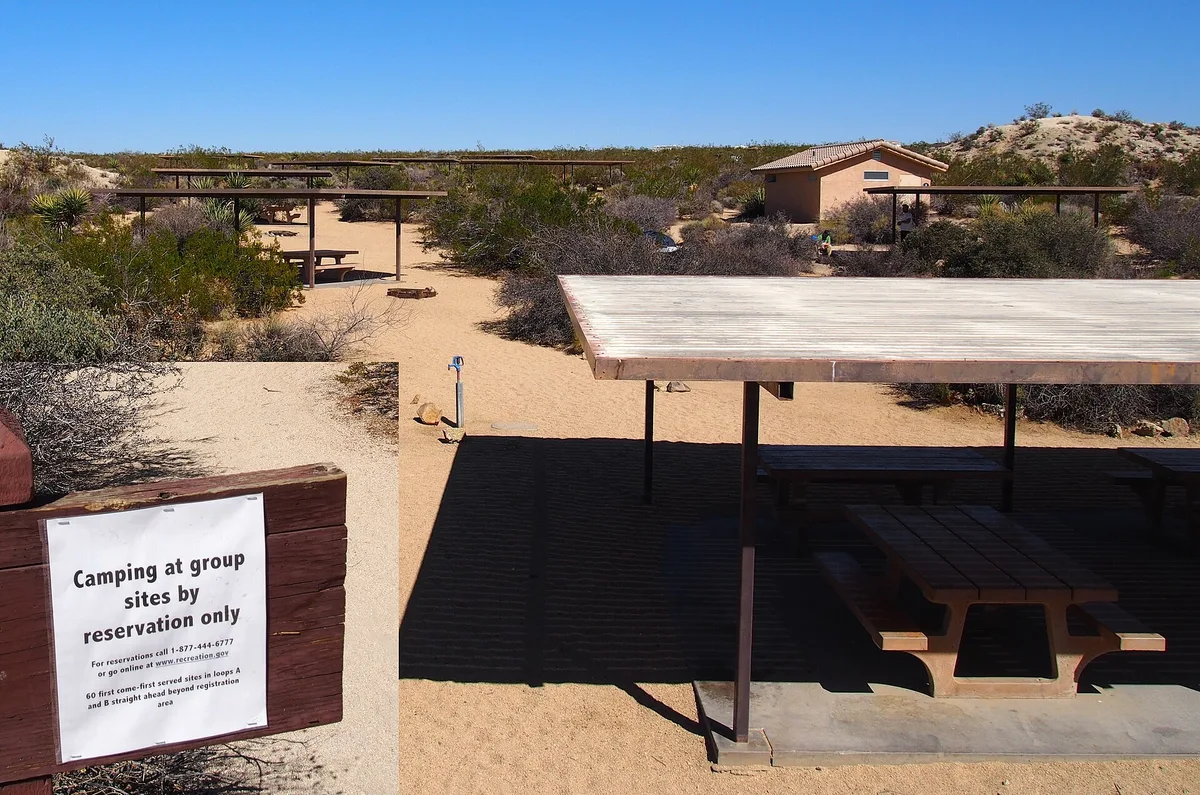
- Check which campgrounds are open in your travel window and whether reservations or first-come sites apply.
- Look at the campground's setting on the agency map: open terrain, away from the entrance, away from any gateway town.
- Book for dates within a few nights of the new moon.
Reservation windows for popular park campgrounds open months ahead and fill fast, especially for summer new-moon weekends. Our explainer on how backcountry permit lotteries actually work covers the timing mechanics that apply to many of these booking systems. If the developed campgrounds are full, some parks allow dispersed or backcountry camping with a permit — darker still, but it demands more planning and the right gear.
What gear and habits protect the night sky?
You don't need a telescope. Your eyes adapt to darkness in roughly half an hour, and a dark-adapted naked eye sees more of the Milky Way than a fumbling beginner sees through an unfamiliar scope. A pair of binoculars is the one upgrade worth bringing; it resolves star clusters and the Milky Way's dusty rifts without any setup.
What you do need is light discipline. Dark sky parks enforce it, and good stargazing etiquette follows the same logic as the courtesy rules in our trail etiquette guide: your behavior shouldn't cost other people their experience.
- Bring a headlamp with a red-light mode. Red light preserves your night vision; white light resets everyone's within seconds.
- Keep lanterns and phone screens off after dark. If you must use a phone, turn the brightness to minimum and use a night mode.
- Point headlamps at the ground when you walk. Never shine lights at other campsites or at people observing.
- Use the restroom before full dark, or know exactly where it is, so you're not sweeping the campground with a beam at midnight.
These habits aren't just courtesy. Many certified parks have conditions on their designation, and rangers do ask campers to dim down.
What this means for your trip plan
Our analysis of what separates a great stargazing trip from a disappointing one comes down to three decisions made before you leave home: a certified dark sky park, a campground with open horizons well inside its boundaries, and dates within a few nights of the new moon. Get those right and the rest is small — a red headlamp, warm layers, and patience while your eyes adjust.
Build the trip like any other overnight. Check the agency's page for road, fire, and campground status close to your departure date, since closures and burn bans appear without much notice. Pack for temperatures colder than the daytime forecast suggests — clear dry skies that make stars sharp also dump heat fast after sunset. And leave the site darker than you found it: dark sky parks exist because people agreed to keep them that way, and campers who follow that standard are the reason the Milky Way is still visible from a tent at all.
One last planning note: pair a stargazing night with a daylight activity in the same park. Most certified dark sky parks are also serious hiking destinations, and a full day on trail makes the evening sky the second highlight of the trip rather than the only one.