
Once you own your gear, a five-day backcountry trip costs most two-person parties roughly $60 to $130 per person all-in: $0-36 in permits and camping fees on typical US federal land, $60-100 on food and fuel for two, and whatever the drive costs per person split between passengers. The spread comes down to three levers — where you go, how you eat, and whether you need a shuttle — and each one is plannable months ahead.
This breakdown uses 2026-season US figures for trip planning. It publishes information, not financial advice; fees change by site and season, so confirm every number for your specific route and dates with the managing agency and booking platform before you pay anything.
What do permits and campsites cost?
Less than most first-timers fear, with famous exceptions. Backcountry permits on many national forest and park routes are free or nominally priced — commonly $0 to $15 per person, with a few marquee destinations charging more or adding lottery fees. Frontcountry campsites booked through the federal Recreation.gov platform typically run $15 to $35 per night for a standard site, and the platform's reservation fees add a few dollars. The budget-relevant habit: check the fee schedule on the specific permit page, not a forum thread — corridor permits on heavily regulated trails and quota areas price and book differently from open ones.
How much should you budget for food and fuel?
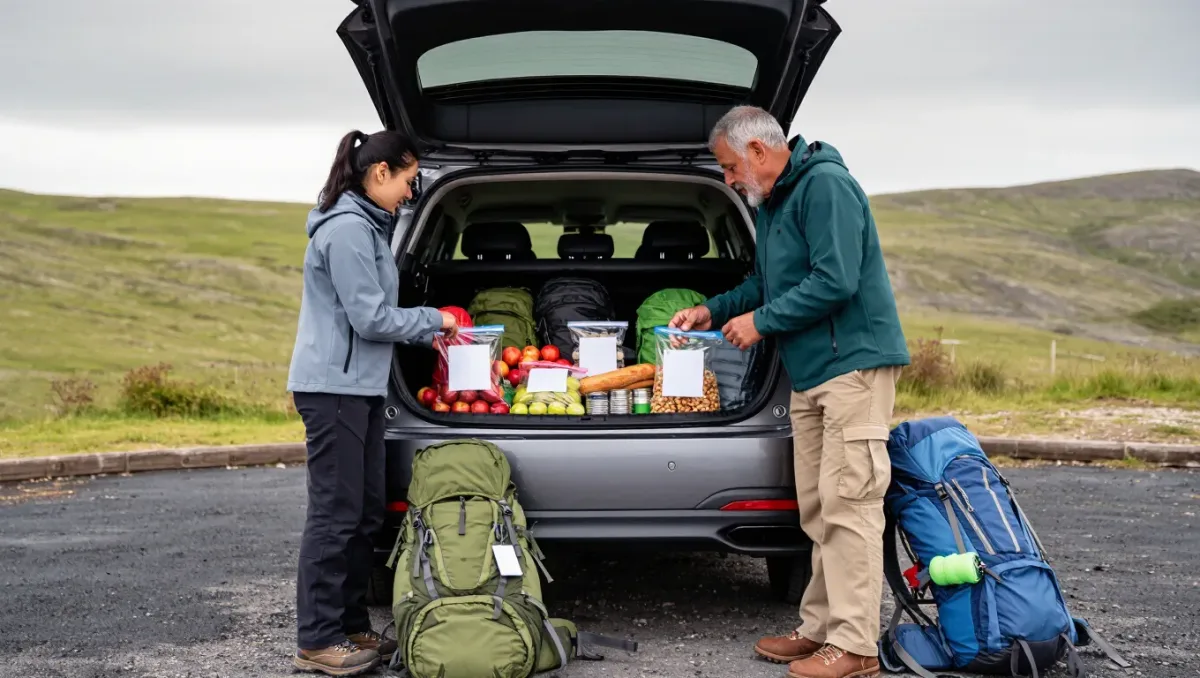
Roughly $10 to $20 per person per day, realistically. A home-dehydrated and grocery-based menu — oatmeal, tortillas, cheese, couscous, trail mix, instant dinners — lands near the low end; freeze-dried meals at $10 to $14 each push it toward or past the top. Fuel follows the stove: a 230 g isobutane canister, typically $8 to $12, covers about four to six days of two-boil cooking for a pair, per manufacturer yield figures. Shop once at home, portion by day, and the food line item stays predictable.
Related stories: The Week-Before Checklist: Seven Days Out to Trailhead · Travel Insurance for Adventure Trips: The Checklist Before You Buy.
What does the drive really cost?
Split it honestly. The IRS standard mileage rate — the figure businesses use to price driving, 70 cents per mile for 2025 — is the cleanest planning number: a 600-mile round trip works out to roughly $420 of true vehicle cost, which is $105 per person in a car of four and $210 in a pair. Add campsite nights before and after, parking or shuttle fees at trailheads that require them — popular one-way routes commonly charge $30 to $80 per shuttle seat — and the drive can rival everything else combined. Choosing a trailhead closer to home is the single biggest line-item saving available.
Which costs surprise first-time backpackers?
Four of them, in order of frequency: pre- and post-trip motel nights near remote trailheads, at $80 to $150 a night in 2026 small-town rates; parking and shuttle logistics on point-to-point routes; canister rentals or other mandatory equipment in bear country, typically $5 to $10 per day where rental is offered; and parking passes where the trailhead sits in a fee area — an America the Beautiful annual pass at $80 pays for itself if you visit federal fee sites three or more times a year. None of these is hidden, exactly; they just live on the logistics pages hikers skim.
How do you cut the total without cutting the trip?
Attack the three levers in order of impact. First, distance: a trailhead within a half-tank of home deletes most of the travel cost. Second, timing: shoulder-season dates often mean open reservations, no shuttle queues, and cheaper motel nights. Third, food: home-portioned groceries beat trail-town purchases by a wide margin, especially when resupply would otherwise happen at a small resort store. Gear you already own; if you are still buying, rent before you purchase — most rental costs are recovered in dozens of free trips to public land.
What is the bottom line for planning?
Build the budget in five lines — permits and fees, food and fuel, transport, lodging before and after, and a 15 percent contingency — then price each one from the managing agency's pages and booking platform for your actual dates. A five-day trip priced this way lands between $60 and $130 per person for most parties, and the number stops being a guess. Fees and rules change every season — check with the managing agency before you go, and again the week before you leave.