
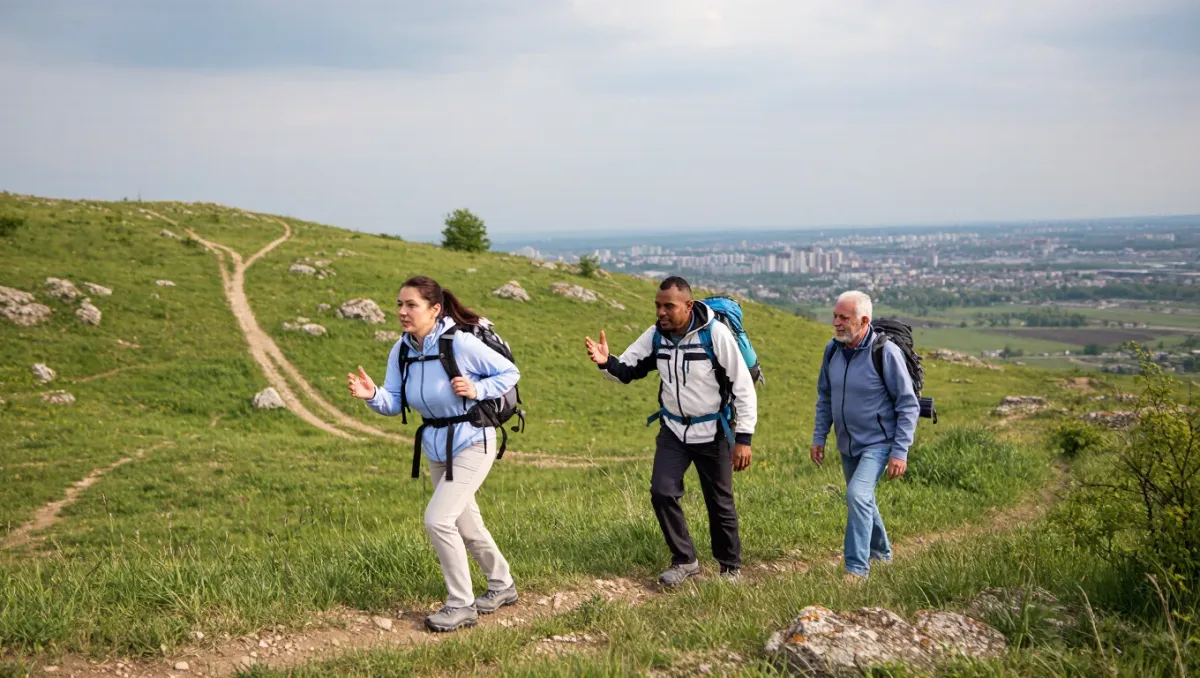
Training for a multi-day backpacking trip takes about eight weeks of progressive buildup: start eight to ten weeks out with two to three hours of hilly walking per week while carrying nothing, then add weight roughly ten percent at a time until you can comfortably cover your trip's average day — pack on — three to four weeks before your start date. That progression, grounded in the general adult activity guidance of at least 150 minutes of moderate aerobic activity per week published by the Centers for Disease Control and Prevention, is what most trip-preparation frameworks boil down to, whether the goal is a three-night loop or a two-week thru-hike section.
This plan assumes you have a working baseline of fitness and no injury history; if either is not true, a clinician's checkup is the sensible first step — this publishes information, not medical advice. Everything below fits a normal workweek: two weekday sessions, one long weekend session, and two short strength blocks.
What does a backpacking season actually demand of your body?
Three things. Aerobic endurance to move for six to nine hours a day, day after day. Loaded strength — particularly through the legs, hips, and trunk — to move that volume with 25 to 40 pounds on your back. And durability in the connective tissue that gym work never stresses: tendons and joints adapt more slowly than your heart and lungs, which is precisely why the calendar is eight weeks and not four. The most common first-trip failures are not cardiovascular at all; they are quad-shredding descents, rubbed shoulders, and tender ankles on day three — all trainable, all trained by walking downhill with weight.
How should the eight weeks be structured?
Progressive and front-loaded with volume, not weight. Weeks one and two build the habit: two weekday walks of 45-60 minutes on hills with an empty pack or none, plus one weekend hike of two to three hours. Weeks three and four add a loaded daypack of 10-15 pounds and stretch the weekend outing toward four hours. Weeks five and six are the heart of the plan: weekday walks of 60-90 minutes with roughly half your trip pack weight, plus a weekend hike with full gear at close to your trip's daily distance. Week seven peaks — your longest weekend day, ideally back-to-back days, because consecutive days teach your feet things single days cannot. Week eight tapers: cut volume roughly in half and arrive rested, not raced-out.
| Weeks out | Weekday sessions | Weekend session | Pack weight |
|---|---|---|---|
| 8-7 | 2 x 45-60 min hilly walk | 2-3 hr hike | 0-5 lb |
| 6-5 | 2 x 60 min, add stairs or steeper grade | 3-4 hr hike | 10-15 lb |
| 4-3 | 2 x 60-90 min brisk walk | 5-6 hr, trip-similar terrain | About half trip weight |
| 2 | 2 x 60 min easy | Longest day; ideally 2 consecutive days | Full trip weight |
| 1 | 1-2 short easy walks | Optional 1-2 hr leg-stretcher | Light or none — taper |
What strength work actually helps on trail?
Keep it short and specific. Two 20-minute sessions a week of step-ups onto a bench or box (the closest gym cousin to the uphill), split squats or lunges for single-leg strength, glute bridges for the hips, and calf raises for the ankle-braking work that descents demand. Add a loaded carry — a farmer's walk or a weighted pack around the block — because trunk endurance under load is what keeps shoulder straps from becoming the day's main complaint. Heavy maximal lifting is unnecessary for this sport; the weight you lift on trail is known in advance and rarely more than 40 pounds.
Related stories: What to Know Before You Sea Kayak the Apostle Islands · 5 Utah Desert Backpacking Routes for Winter and Early Spring.
How much pack weight should you build to?
Train to your planned load, then rehearse it. If the trip plan says 30 pounds, your week five-to-seven sessions should log full days at or slightly above 30 pounds — and the reliable way to know that number is to weigh the actual packed gear at home, not estimate it. A widely used rough ceiling for comfort in loaded hiking is staying at or under about 20 percent of body weight for a multi-day load, a figure long used across guidebooks and training programs; lighter is always better provided the gear list still covers the conditions your route's managing agency describes.
What about feet, blisters, and gear shakedown?
Feet are trained equipment too. Do your long training walks in the socks and boots or trail runners you will hike in, treat any hot spots with the tape method that worked in training, and never debut footwear on the trailhead. The weekend peak sessions double as gear shakedowns: pack exactly what you will carry, adjust torso length and hip belt under real weight, cook one meal on the stove you will bring, and pitch the shelter once in wind. Anything that annoys you at home will infuriate you on day four — the shakedown exists to catch it while return shipping is still an option.
Terrain-specific training beats generic cardio: find hills or stairs that mimic your route's grade, and train descents deliberately, not just climbs.
How do you keep training honest in the final month?
Track three numbers each week: total hiking time, longest single day, and pack weight carried. If the trip's average day is, say, 12 miles with 2,500 feet of gain, your week-six and week-seven sessions should have touched most of both numbers at least once. Sleep and recovery carry the adaptation — the classic guidance from public-health agencies is that adults need seven or more hours per night — and a week of poor sleep undoes more fitness than an extra training session adds. Fuel long sessions like trail days: snacks every hour, real lunch, and practice your on-trail electrolyte plan in training so your gut has seen it before mile twenty.
Frequently asked questions
How fit do you need to be before starting an eight-week plan?
You should comfortably walk briskly for an hour at a time, per the plan's week-one baseline. If that is not yet true, spend four to six weeks building to it first — the same weekly sessions with no load — then start the eight-week clock.
Can you train for backpacking without hills?
Mostly. Stairs, stadium steps, incline treadmill walking, and step-ups can substitute for grade, and many flatland hikers finish mountain trips well prepared this way. The one gap is downhill eccentric loading; extra calf-raise and quad work helps bridge it.
How do you train for altitude on a backpacking trip?
You cannot fully replicate altitude near sea level, but aerobic fitness buys margin. Arrive well-rested, plan a night acclimating near the trailhead when the route starts high, and follow the managing agency's altitude guidance — many high-elevation parks publish specific acclimatization advice for campers and hikers.
Is running better than hiking for trip prep?
Running builds aerobic base efficiently, but hiking with load trains the specific tissues — shoulders, hips, and feet under weight — that trail days stress. A mix works: run one weekday session if you enjoy it, but the loaded weekend hike is the workout the trip depends on.